Dead Branch Removal in Doylestown, PA
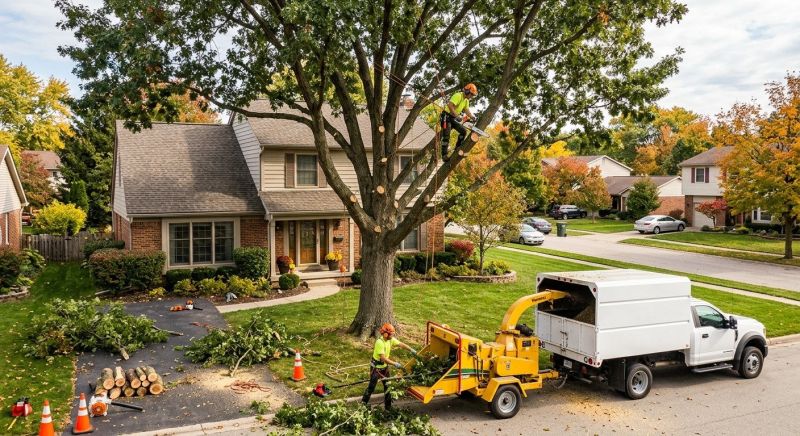
Dead branch removal services involve the careful removal of dead or dying branches from trees to promote overall tree health and safety. This type of work typically covers projects such as removing hazardous branches that pose a risk of falling, clearing overgrown or damaged limbs, and maintaining the aesthetic appearance of trees on residential properties. Homeowners interested in dead branch removal should consider the location of the branches, especially if they are near walkways, driveways, power lines, or structures, as well as the condition of the tree to ensure proper care and safety during the process.
Before requesting dead branch removal, property owners usually want to understand which branches are affected and whether their removal will improve the tree’s health or safety. It’s also helpful to know if the branches are dead, diseased, or damaged, and whether the work will be performed in a way that minimizes impact on the overall tree. Clarifying these details can ensure the project aligns with the property’s needs and safety considerations.
Many property owners in Doylestown, PA look into Dead Branch Removal for repairs, replacements, upgrades, and appearance-related improvements.
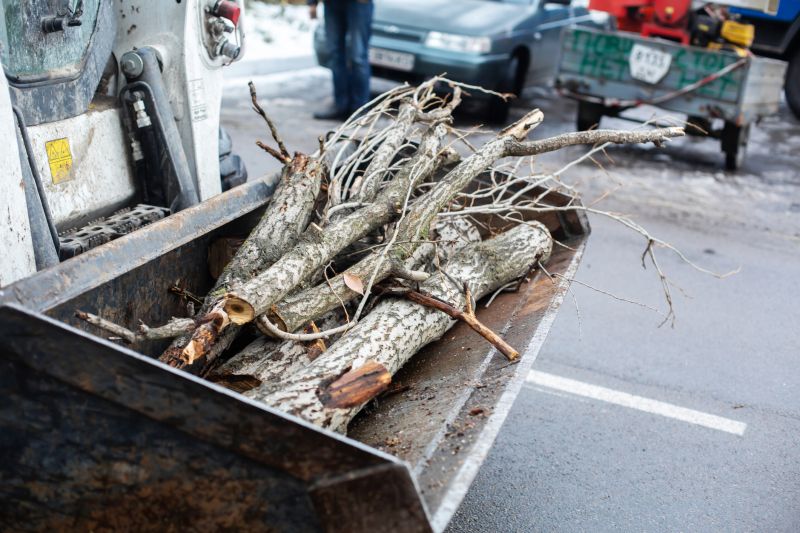
Hazard Prevention
Removing dead branches reduces the risk of falling and property damage.
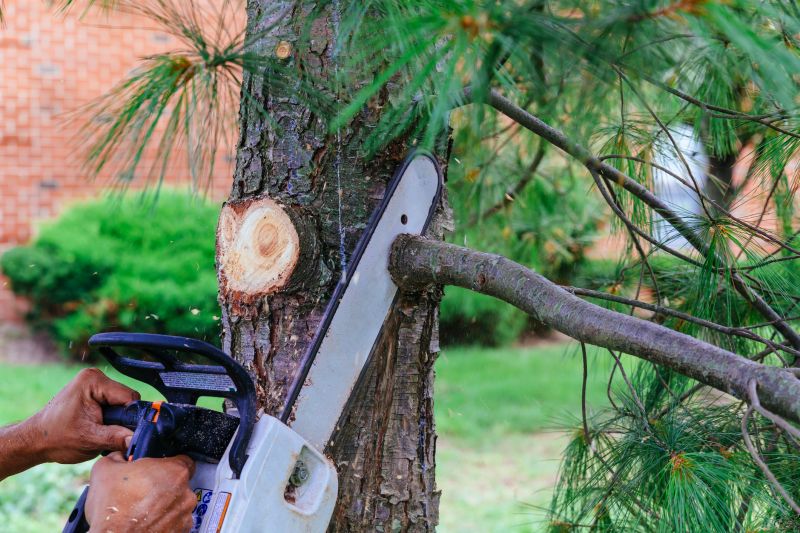
Tree Health
Eliminating dead limbs helps improve the overall health and appearance of trees.
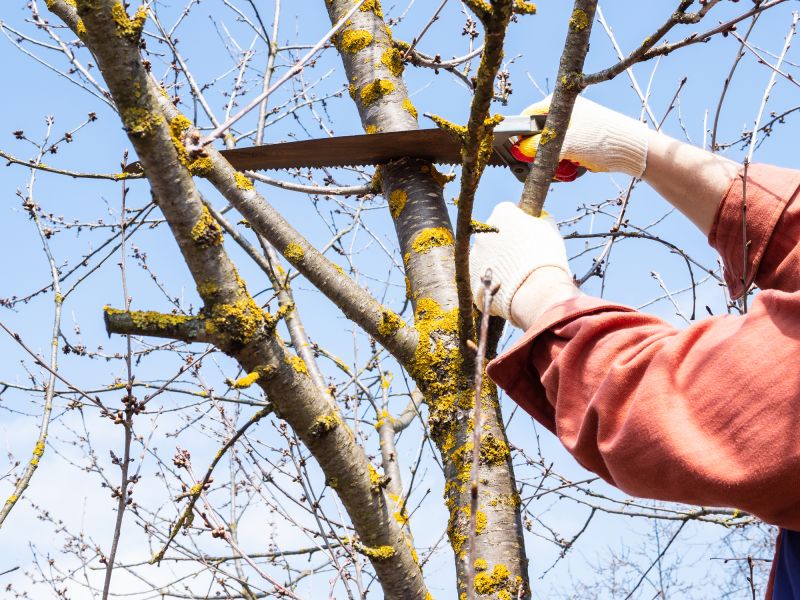
Property Safety
Dead branch removal enhances safety for residents and visitors around the property.
Dead Branch Removal in Doylestown, PA
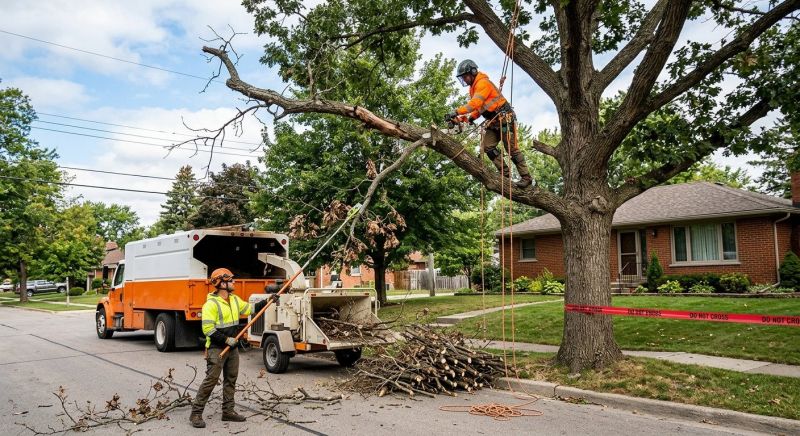
Dead branch removal services involve the careful removal of dead or dying branches from trees to promote overall tree health and safety. This type of work typically covers projects such as removing hazardous branches that pose a risk of falling, clearing overgrown or damaged limbs, and maintaining the aesthetic appearance of trees on residential properties. Homeowners interested in dead branch removal should consider the location of the branches, especially if they are near walkways, driveways, power lines, or structures, as well as the condition of the tree to ensure proper care and safety during the process.
Before requesting dead branch removal, property owners usually want to understand which branches are affected and whether their removal will improve the tree’s health or safety. It’s also helpful to know if the branches are dead, diseased, or damaged, and whether the work will be performed in a way that minimizes impact on the overall tree. Clarifying these details can ensure the project aligns with the property’s needs and safety considerations.
Many property owners in Doylestown, PA look into Dead Branch Removal for repairs, replacements, upgrades, and appearance-related improvements.
Common Dead Branch Removal Jobs
Dead Tree Removal - safely removes hazardous trees to protect property and safety.
Storm Damage Cleanup - clears fallen or broken branches after storms to prevent further damage.
Overgrown Branch Trimming - reduces excessive growth to improve tree health and prevent breakage.
Hazardous Branch Pruning - removes weak or dead branches that could fall unexpectedly.
Emergency Dead Branch Removal - responds quickly to urgent branch removal needs after severe weather.
Tree Health Assessment - evaluates dead or dying branches to determine necessary removal actions.
Dead Branch Removal Questions
Why should dead branches be removed? Removing dead branches helps prevent potential damage to the tree and nearby property caused by falling limbs.
When is the best time to remove dead branches? Dead branches can be removed at any time of year, especially before storms or high winds increase the risk of falling.
Are there signs that indicate a branch is dead? Signs include brittle texture, lack of leaves or buds, and discoloration or decay in the branch.
Does removing dead branches improve tree health? Yes, it can promote better air circulation and reduce the risk of disease spreading within the tree.
Request Dead Branch Removal in Doylestown, PA
Use the quote form on this page to share the basics of your project and request more information for the type of work you need.